O2 tests technology that adjusts call audio based on your hearing

Key Points
- O2 has trialled network-based technology that automatically adjusts phone call audio to suit each customer's hearing, developed in partnership with Mavenir.
- Participants completed an automated hearing test that generated a personalised hearing profile linked to their mobile number.
- The optimisation happens within O2's network, so customers use their existing phone and number as normal with no apps or device settings required.
- Nearly 90% of trial participants reported clearer calls, fewer misunderstandings, and reduced listening effort.
- The technology is at proof-of-concept stage, and O2 has not confirmed a rollout date.
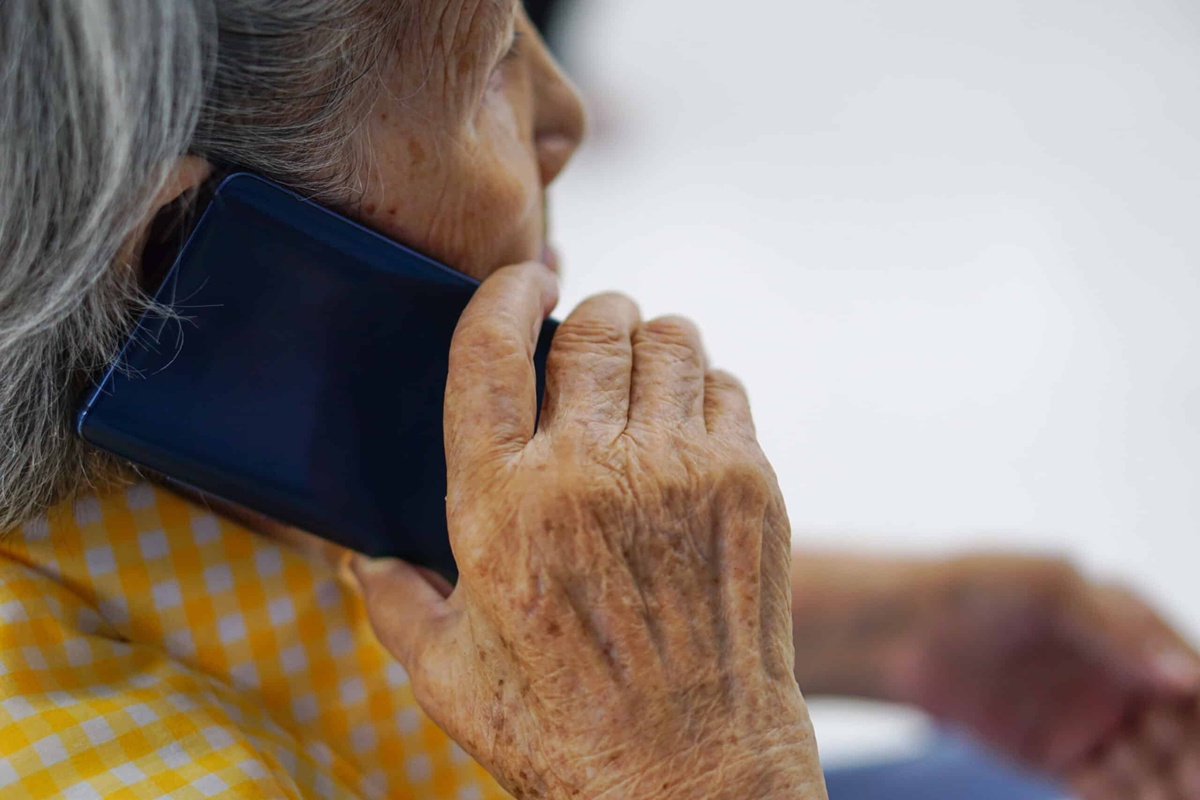
O2 has trialled new network technology that automatically adjusts phone call audio to suit each customer’s hearing, aiming to make calls clearer for people with hearing loss.
The operator partnered with cloud-native network software provider Mavenir to run the proof-of-concept trial, which tested technology that works in the background without requiring customers to change how they make or receive calls.
Participants completed a short, automated hearing test to identify how they perceive different sound frequencies. This generated a personalised hearing profile, securely linked to their mobile number, which the network used to adapt how speech is delivered during calls in real time.
Unlike device-based accessibility features or third-party apps, the optimisation took place within O2’s network. Participants used their existing phone and number as normal while benefiting from clearer audio tailored to their individual hearing needs.
Following the trial, nearly 90% of participants reported improvements in call clarity, with conversations easier to follow and fewer misunderstandings. Participants also noted reduced listening effort and a more natural calling experience.
Mary Higgins, who is profoundly deaf and took part in the trial, said the technology transformed how she experiences phone calls.
“I usually find phone calls tiring and stressful, even with hearing aids. Making a call without them is almost impossible,” she said.
“Using the technology was a completely different experience, as I could hear clearly without my hearing aids and didn’t need to keep asking people to repeat themselves.”
Jorge Ribeiro, Director of Core Networks at Virgin Media O2, said the trial focused on improving the calling experience without asking customers to do anything differently.
“For many people with hearing loss, making a phone call can be a difficult and frustrating experience. This trial is about using the intelligence within our network to improve that experience,” he said.
“We are encouraged by the early results from this proof-of-concept and are excited to explore how this type of technology could support more accessible services for our customers in future.”
customers in future.”
Brandon Larson, SVP and General Manager of Cloud, AI and IMS Business Strategy at Mavenir, said core networks are a powerful platform for service innovation, adding that the partnership with Virgin Media O2 shows how they can deliver new value to customers with hearing loss.
The technology remains at an early stage, with O2 yet to confirm whether or when it will roll out to customers.