Massive bank branch closure problems for the UK

Key Points
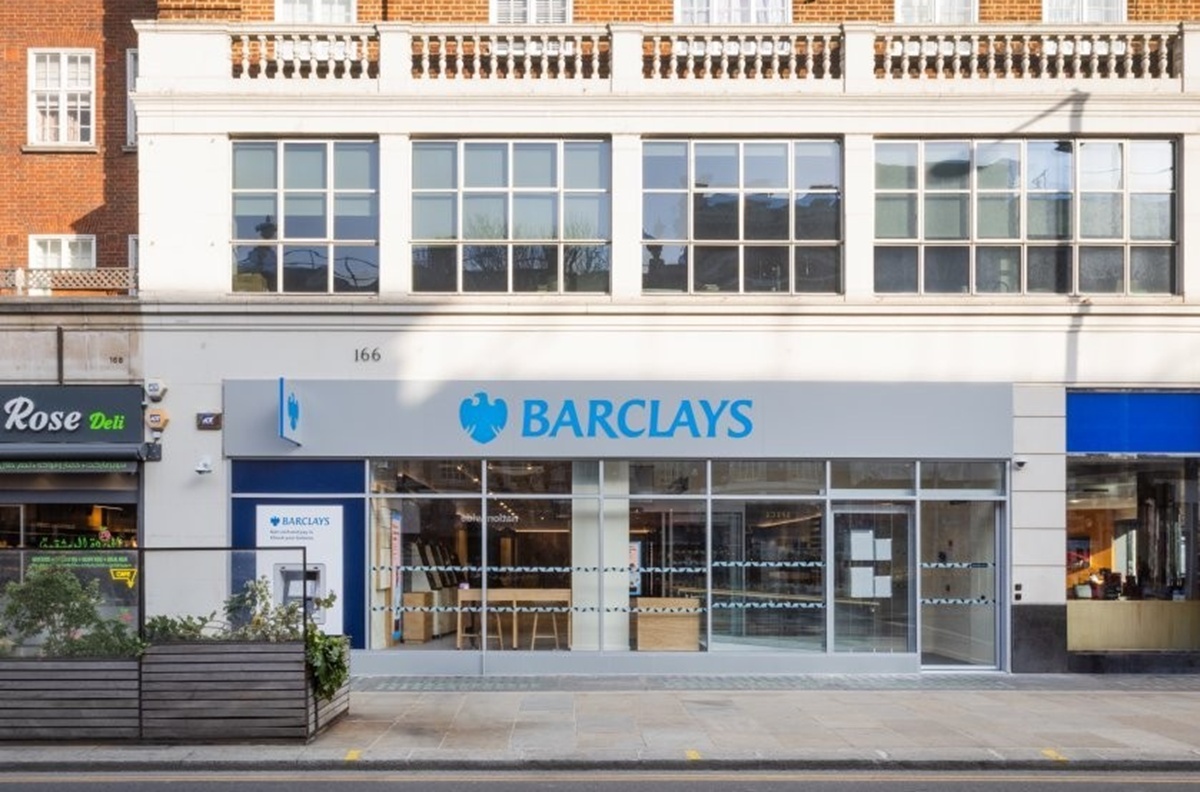
- A House of Commons Business and Trade Committee report published on 7 June 2026 cites Which? figures showing more than 6,000 UK bank branches have closed since 2015.
- The number of bank and building society branches fell 40% between 2012 and 2022, according to House of Commons Library figures.
- By the end of 2024, 33 parliamentary constituencies with a combined population over three million were set to have no bank branch.
- The committee said the Government's plan for 350 Post Office banking hubs would not compensate for the closures, citing estimates that up to 1,200 are needed.
- It recommended the Government commission Post Office Ltd to increase the number of its 11,500 branches that can provide banking services.
More than 6,000 bank branches have closed across the UK since 2015, according to figures cited in a report by a committee of MPs, which warned that the closures have left some communities without access to in-person banking and that Government plans to replace them fall short.
The figures appear in “Investing in the UK economy”, the first report of the 2026–27 session from the House of Commons Business and Trade Committee, published on Sunday (7 June).
The report cited consumer group Which?, which reported in May 2024 that more than 6,000 branches had closed since 2015.
It said the number of bank branches in the UK has been falling since the mid-1990s, with the total number of bank and building society branches dropping by 40% between 2012 and 2022, according to House of Commons Library figures.
By the end of 2024, the report said, 33 parliamentary constituencies with a combined population of more than three million would be without a single bank branch.
The committee said the closures had removed not only counter services but also the financial advice that high-street banks traditionally provided.
It cited British Chambers of Commerce evidence that over a quarter of businesses, 28%, preferred face-to-face banking for matters relating to growth, and that the organisation’s members needed an annual turnover of more than £5 million to receive the services of a business bank manager.
The Post Office as a possible fix
The report identified the Post Office network as a potential replacement for lost branches.
Post Office Ltd maintains more than 11,500 branches, with 99% of people living within three miles of one, and operates a Banking Framework partnership with over 30 banks and building societies that allows 99% of UK bank customers to access their accounts at a local post office.
Post Office Ltd already operates more than 160 banking hubs, which provide local banking services and host “community bankers” from high-street banks. The hubs are run by Post Office Ltd and funded by Cash Access UK, a not-for-profit company backed by major banks.
The government has pledged to increase the number of hubs to 350. However, the committee said this would not compensate for the number of closures.
It cited the Payment Choice Alliance’s estimate that as many as 1,200 hubs would be needed to serve communities that had lost branches, and modelling commissioned by the Post Office in May 2024 which concluded that 1,000 hubs would facilitate £178 million worth of extra services a year.
The report recommended that the Government commission Post Office Ltd to review the criteria used for siting hubs and draw up a plan to increase the number of its 11,500 branches that can provide banking services.
The recommendations follow the Government’s February 2026 Green Paper on the future of the Post Office.