A first look at the UK’s new banknotes


Key Points
- Bank of England has opened a public vote on wildlife for the next £5, £10, £20 and £50 notes, running to 3 July 2026.
- Eighteen native species are shortlisted across three groups: mammals, birds, and amphibians, insects and fish.
- The public can pick up to two per group, with no alternative nominations allowed.
- Governor Andrew Bailey makes the final choice, due by end of 2026; the most popular animals may not all be chosen.
- First British series without a historical figure since 1970; cash in circulation hit £91.5bn in February 2026.
The next time the Bank of England redesigns the nation’s cash, the central image is unlikely to be a statesman, a novelist, or a wartime Prime Minister.
The Bank has opened a public consultation inviting people to help choose the wildlife that will appear on the next series of £5, £10, £20 and £50 notes, the first time in more than half a century that British money will be built around something other than a historical figure.
The consultation, which launched on Wednesday (3 June) runs until 11.59 pm on 3 July, and it asks the public to pick from a shortlist of eighteen native species.
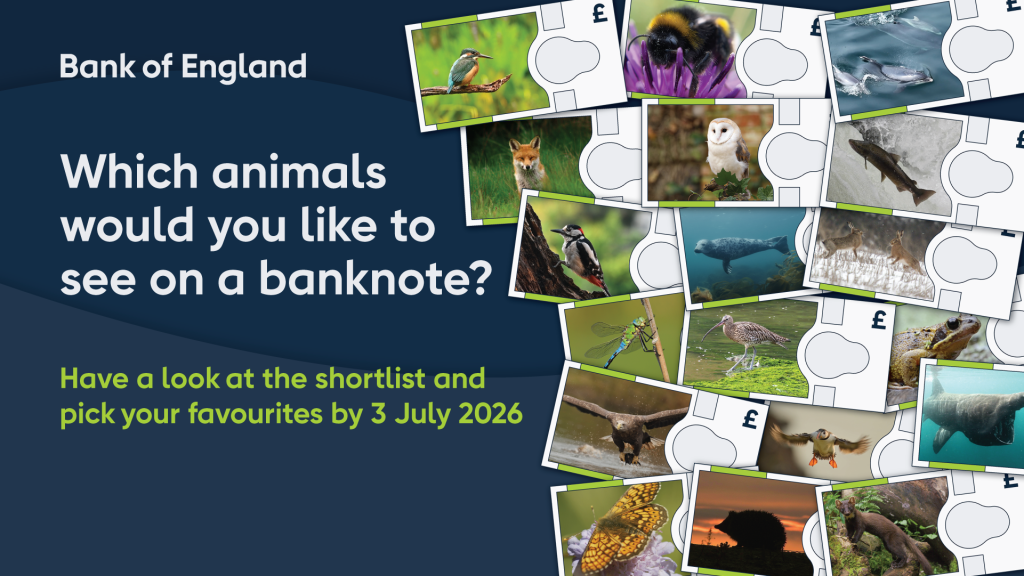
The list was assembled with a six-strong panel of wildlife experts and split into three groups: mammals, birds, and a combined category of amphibians, insects and fish.
Each of the four denominations will carry a different animal, so people are asked to choose up to two favourites from each group. The Bank has been firm that the choice ends there.
Only the species on the published list can feature, and it is not inviting alternative nominations.
The full list is as follows:
| Mammals | Birds | Amphibians, insects and fish |
|---|---|---|
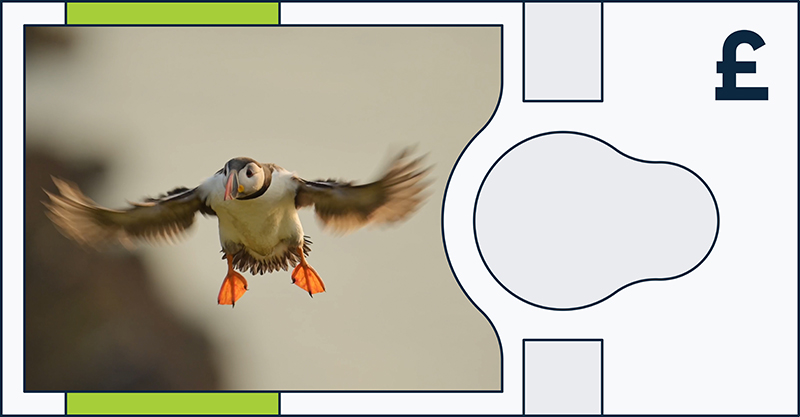
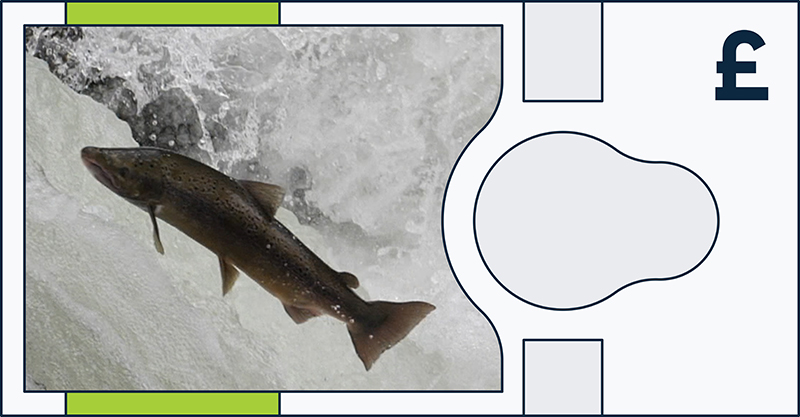
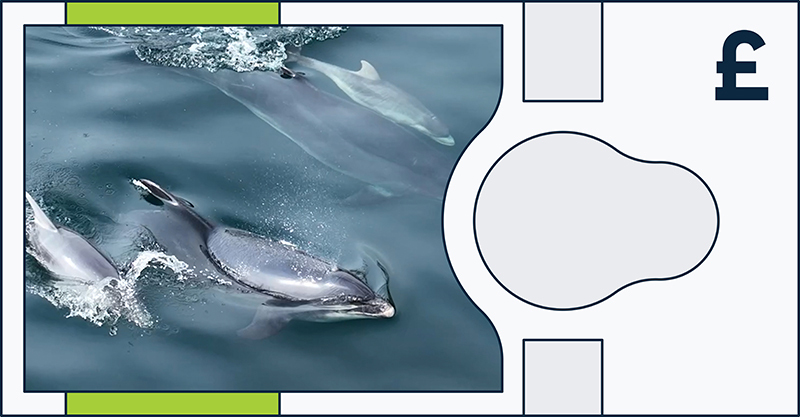
| Bottlenose dolphin | Atlantic puffin | Atlantic salmon |
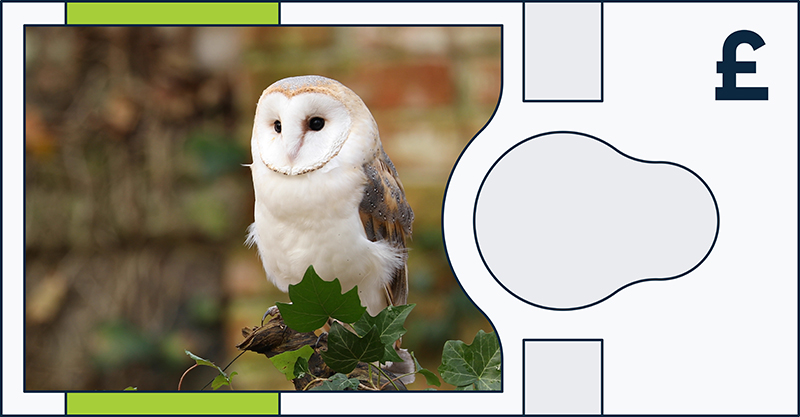
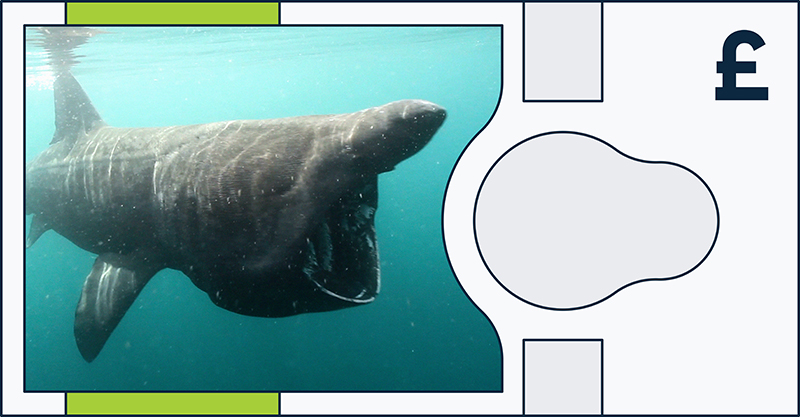
| Brown hare | Barn owl | Basking shark |
| European hedgehog | Common kingfisher | Buff-tailed bumblebee |
| Grey seal | Eurasian curlew | Common frog |
| Pine marten | Great spotted woodpecker | Emperor dragonfly |
| Red fox | White-tailed eagle | Marsh fritillary butterfly |
A vote, not a verdict
A popular vote does not translate directly into the final design. The Bank needs four animals that are easy to tell apart across the four notes and that represent different environments from across the UK, which means the species drawing the most responses may not all survive to print.
Andrew Bailey, the Governor, will make the final call once the feedback is in, and the Bank expects to announce the outcome by the end of 2026. Responses can be submitted through an online form on the Bank’s website or by post.
Why wildlife?
The shift follows a wider rethink of what the Bank wants its money to say.
In July 2025 it asked the public to nominate a theme for the next series, drawing around 44,000 responses, and nature came out on top with roughly 60% support, ahead of architecture and landmarks on 56% and historical figures on 38%.
The Bank confirmed the nature theme in March 2026, noting that much of the feedback pointed specifically to species native to the UK. Household pets were ruled out at that stage.
Counterfeit resilience sits behind much of the decision. The Bank has said animals lend themselves unusually well to anti-counterfeiting design, since recognisable forms and movements can be built into the security features in ways a portrait cannot.
The new notes will still carry a portrait of the monarch, and representation of the Home Nations will remain part of the design.
None of this will happen quickly. The Bank describes a detailed, multi-year process to design, test and print the notes, so the new series is still some years away.
In the meantime, cash is far from done. It remains the preferred payment method for around one in seven people, and the value of notes in circulation reached £91.5 billion at the end of February 2026.
The current Series G notes, in circulation since the Churchill £5 arrived in September 2016, feature Winston Churchill, Jane Austen, JMW Turner and Alan Turing.
A move to wildlife would mark the sharpest change in the look of British money since the Bank began putting historical figures on its notes in 1970.
Victoria Cleland, the Bank’s Chief Cashier, said she hoped the public would enjoy taking part, adding that the shortlist showed “the rich variety of wildlife we have to celebrate in the UK.”