A look at Ferrari’s first all-electric car

Key Points
- Ferrari has launched the Luce, its first fully electric production car, engineered and built at Maranello
- The four-door, five-seat saloon was designed with Sir Jony Ive and Marc Newson's LoveFrom collective
- The Luce records the lowest drag coefficient of any Ferrari, helped by active air shutters and a 10 mm front ride-height drop at cruising speed
- All-wheel drive is standard, and Ferrari said the architecture was designed from scratch around the electric powertrain
- A synthesised sound system captures vibration from the axles to give acoustic feedback in Manual and Performance modes, with paddle-actuated manual torque shifting
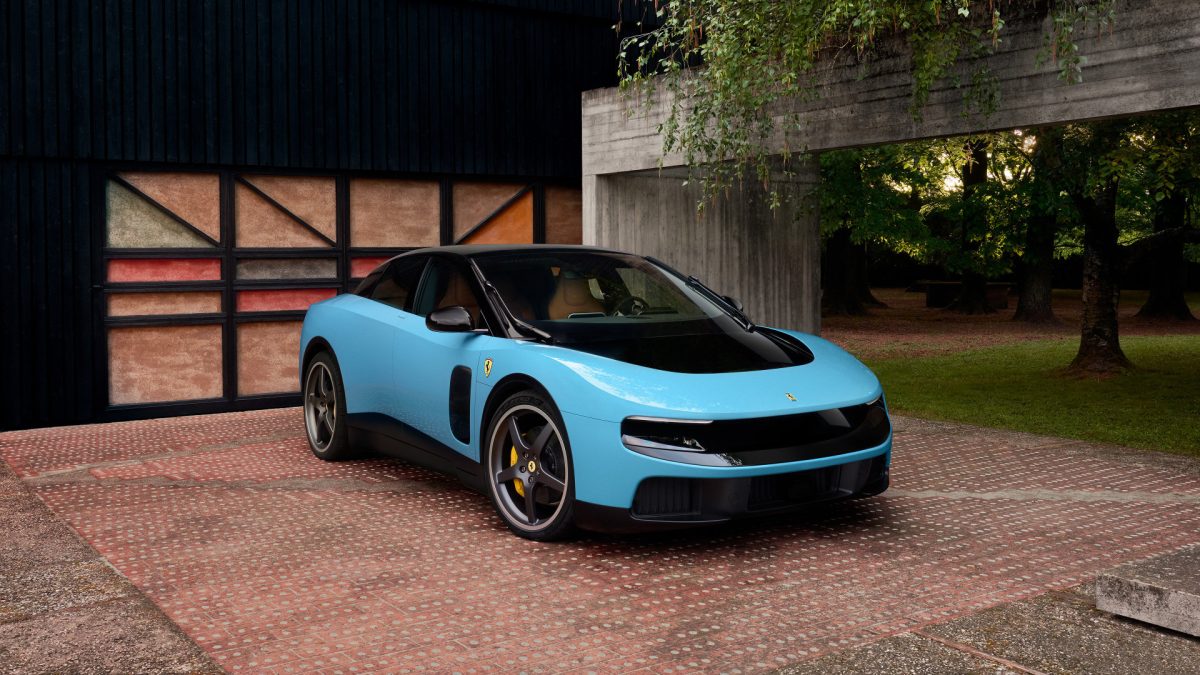
Ferrari has unveiled the Luce, its first fully electric production car.
The four-door, five-seat saloon was engineered, developed and manufactured at Ferrari’s Maranello headquarters, and is positioned as a car that combines its established performance credentials with a level of interior space the brand has not previously offered.
Ferrari said the architecture was designed from the outset around the electric powertrain rather than adapted from an existing platform, with the power source, motors and drivetrain all developed in-house.
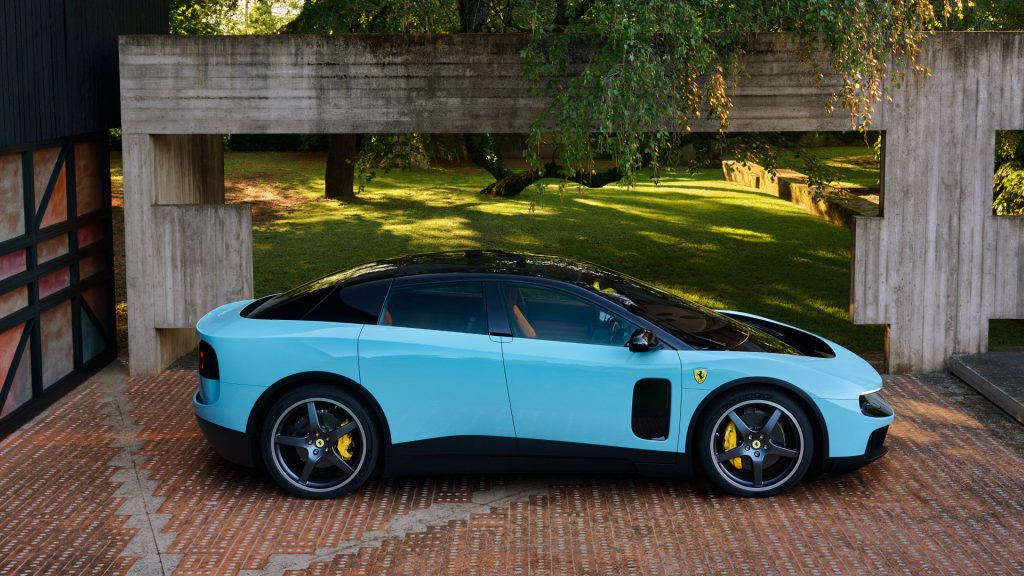
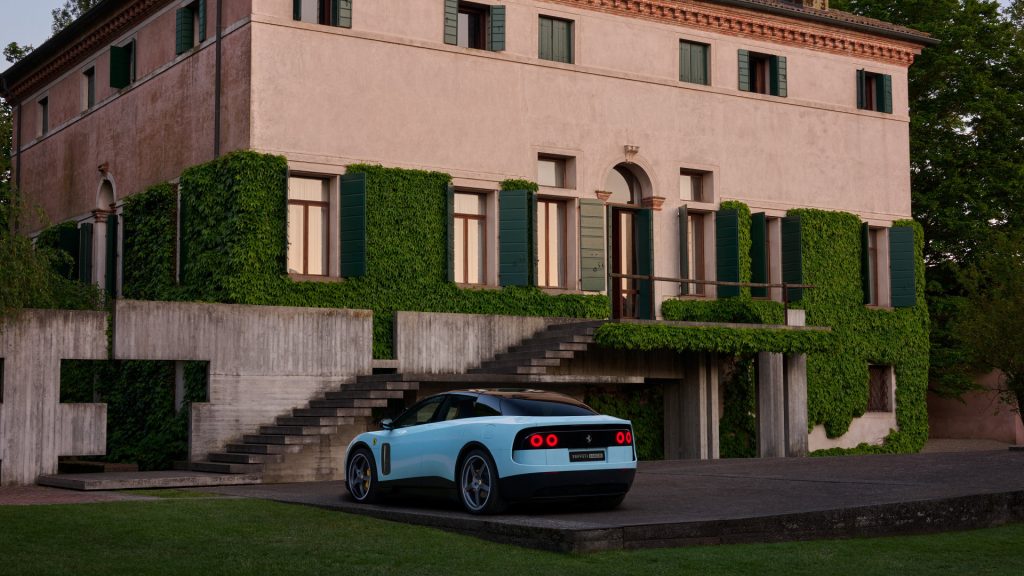
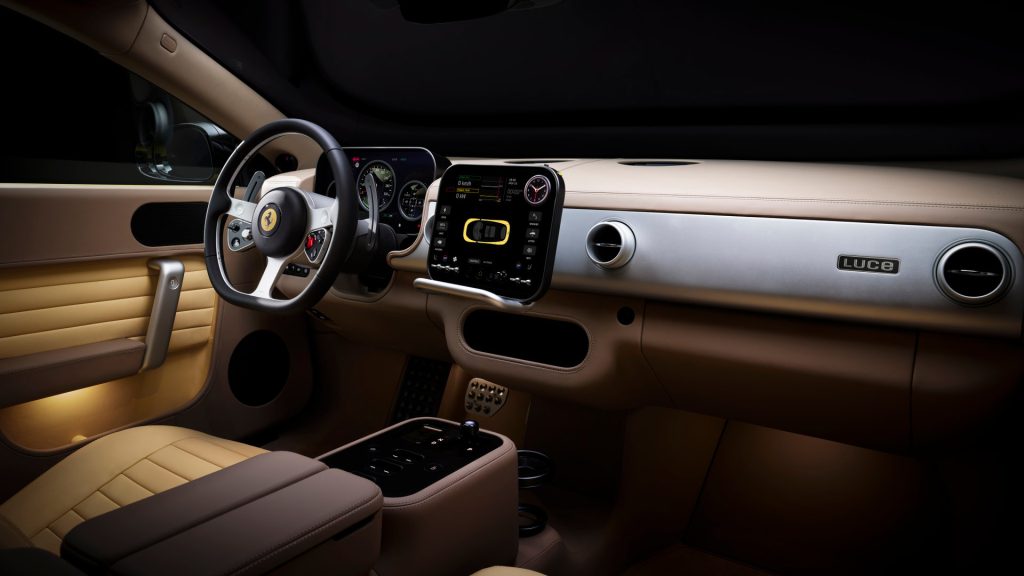
The exterior, interior and digital interface were designed at LoveFrom, the creative collective founded by Sir Jony Ive, the former Apple Chief Design Officer, and industrial designer Marc Newson.
Ferrari said the partnership produced a single design language that runs across the whole car, with interior forms simplified and rationalised around the driving experience.
Physical controls have been retained alongside multifunctional digital displays, and mechanical buttons, switches and dials sit alongside touch surfaces.
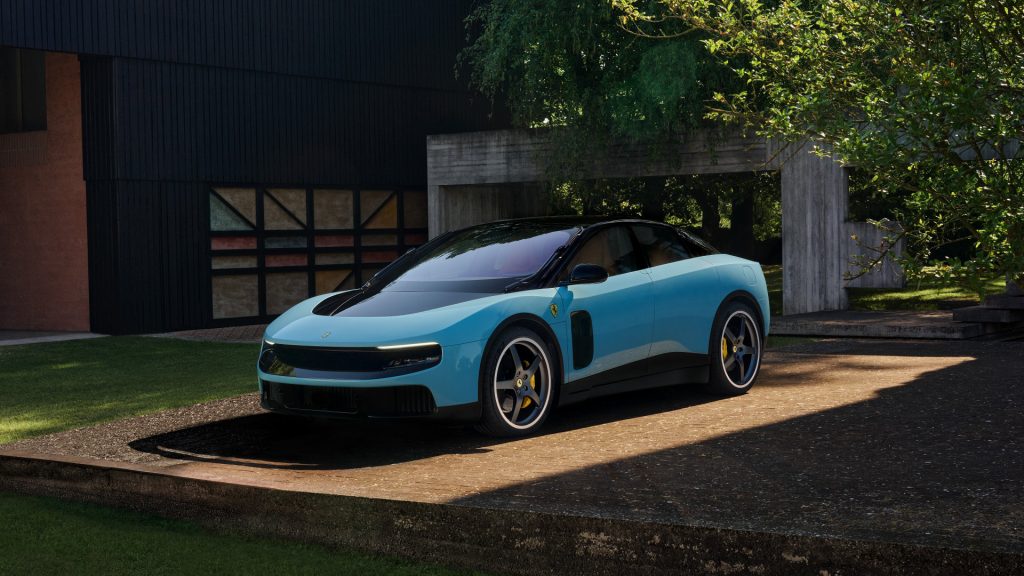
Aerodynamic performance was central to the brief, and the marque said the Luce records the lowest drag coefficient of any car in its history.
Active air shutters and a ride-height system that drops the front of the car by 10 mm at cruising speed contribute to the figure, and the body surfacing has been kept smooth and uninterrupted to reduce turbulence.
The rear tail lights recede into the bodywork when the car is switched off.
Vehicle dynamics have been tuned to deliver what Ferrari described as the most comfortable car it has built, with dedicated noise, vibration and harshness solutions intended to preserve refinement without dulling road handling.
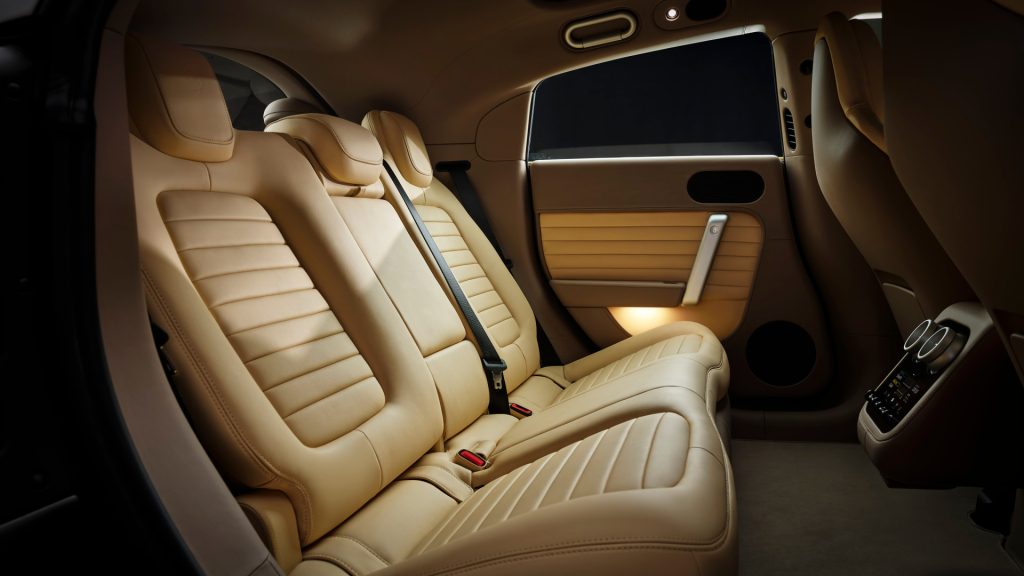
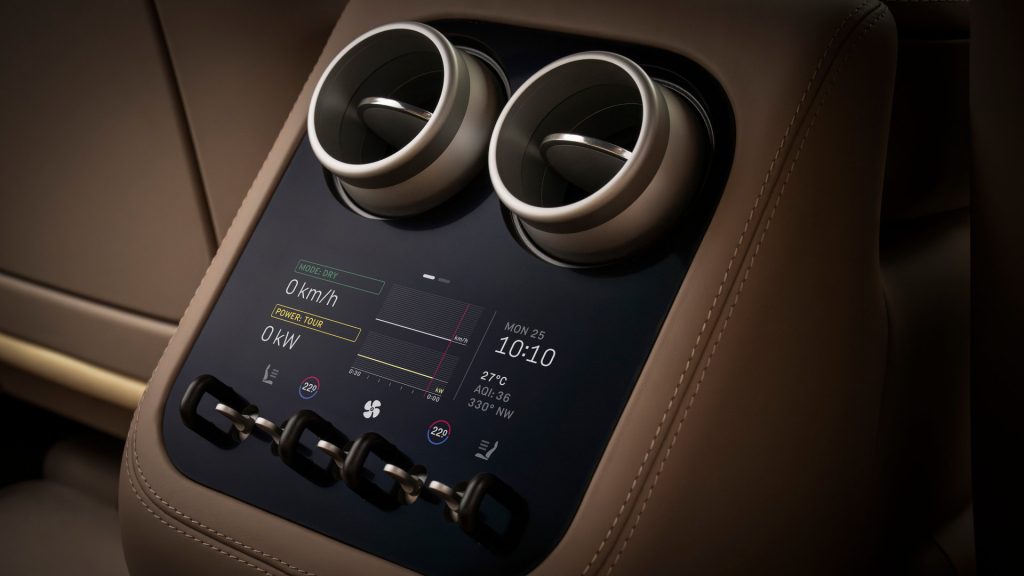
New regeneration and torque management systems support paddle-actuated manual torque shifting in Manual and Performance modes, allowing the driver to step torque progressively under acceleration and deceleration.
A synthesised sound system captures electro-mechanical vibration from the axles, equalises and amplifies the signal, and pairs it with visual feedback inside the cabin.
A dedicated Ferrari Luce app handles climate pre-conditioning, charging settings and remote vehicle status.
The company has also confirmed long-term support for the high-voltage components, including the battery and electric power systems, with factory-backed servicing and software updates intended to preserve performance over the car’s lifetime.