‘If we get this wrong, we increase the chances of war’ – UK minister delivers blunt warning
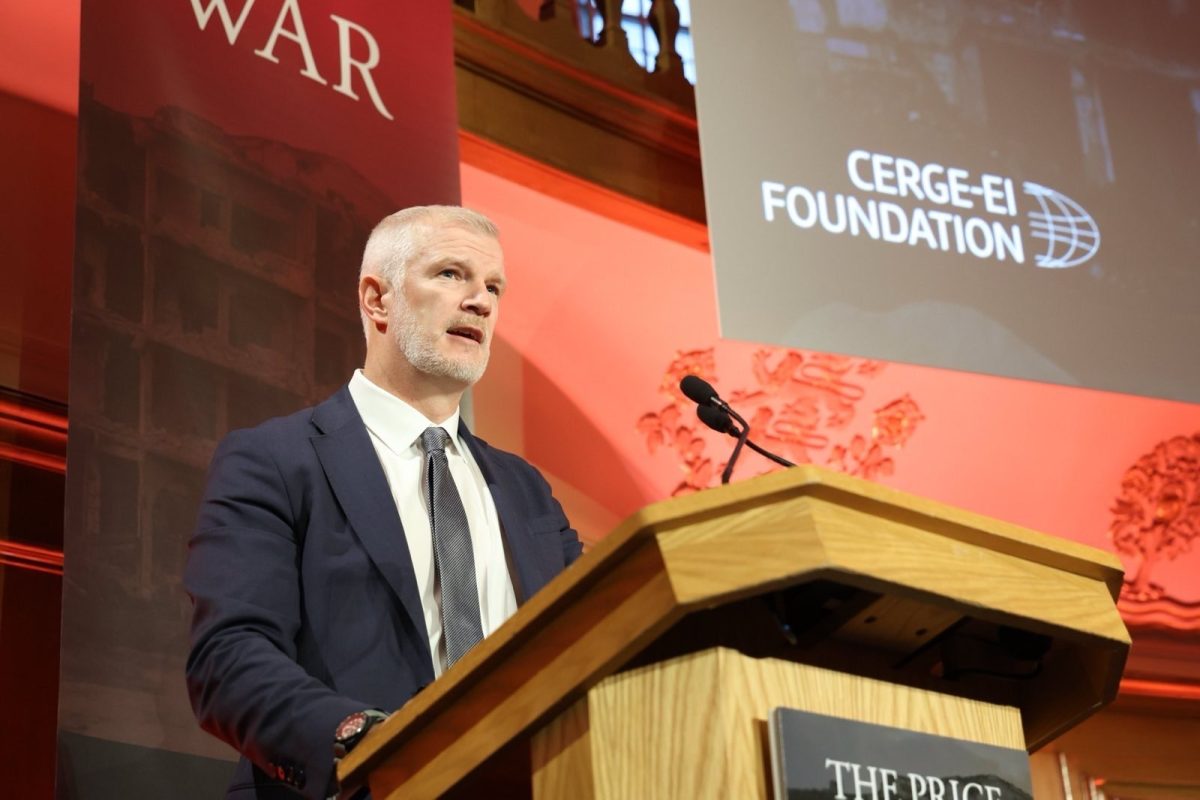

The UK’s Minister for Armed Forces Alistair Carns has issued a sobering message to allies, policymakers, and the public: failing to prepare properly for emerging threats is not just risky, it actively heightens the danger of conflict.
“If we get this wrong, if we fail, we increase the chances of war,” the minister said. “Let’s be absolutely clear, we increase the chances of conflict by not being ready.”
The warning comes amid growing concern over the “shadow of war” returning to Europe, with ministers emphasising the need for the UK, and its partners, to shift from peacetime posture to one of genuine warfighting readiness.
This includes not only bolstering military capabilities but also mobilising wider society, from industry and infrastructure to civilian resilience.
The minister’s blunt tone reflects a broader shift in UK defence thinking. Recent government statements have stressed “active preparation” for scenarios where the UK homeland could face direct threats.
Plans are reportedly advancing rapidly to define roles for every sector in a potential existential crisis, ensuring the nation can support military efforts without hesitation.
Critics and supporters alike note that years of underinvestment in defence, supply chains, and strategic industries have left vulnerabilities.
Getting defence spending, procurement, industrial base, and alliances right is framed not as optional policy tweaking but as a deterrent in its own right. Missteps, the minister implied, send the wrong signal to adversaries and erode the credibility that prevents conflict.
While the defence speech focused on external threats, the government is simultaneously confronting deep domestic vulnerabilities that could undermine national resilience in any future crisis.
Just days earlier, the Department of Health and Social Care announced the deployment of specialist NHS expert teams to the worst-affected hospital trusts to tackle “corridor care”, the undignified and unsafe practice of treating patients in hallways and waiting areas due to overcrowding and bottlenecks.
Health Secretary Wes Streeting described corridor care as “unacceptable and undignified,” announcing targeted interventions, better data tracking, improved patient flow, and the expansion of urgent treatment centres and same-day emergency services.
Early data suggests the problem is concentrated in a relatively small number of trusts, offering a chance for swift, focused improvements.
The move is part of a wider push to restore dignity and safety to frontline care, reduce A&E pressures, and build a health system capable of withstanding shocks, whether from seasonal demand, pandemics, or, in a worst-case scenario, the strain of supporting a nation on a war footing.