Secret Russian submarine operation uncovered in UK waters
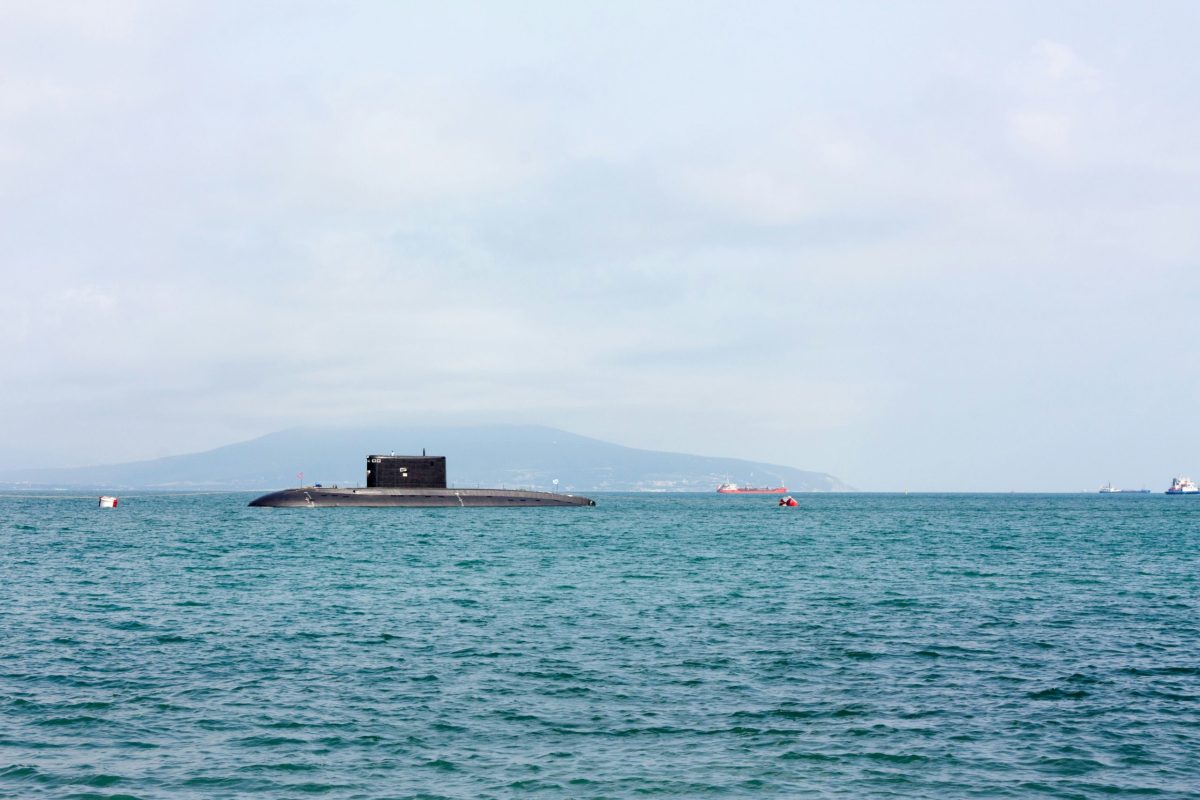

The British military has announced the discovery of a covert Russian submarine operation in and around UK waters, forcing the vessels to retreat back to Russia.
British aircraft and warships identified a Russian attack submarine entering international waters in the High North several weeks ago, and tracked its activity around the clock.
Service personnel quickly established that the submarine was deployed as a distraction, and the UK worked closely with allies, including Norway, to identify and monitor other Russian undersea naval units from the Main Directorate of Deep Sea Research (known as GUGI) conducting nefarious activity over critical undersea infrastructure elsewhere.
The UK and its allies began a campaign of overt action to ensure the Russian units knew that they were being monitored and were no longer covert, as Putin had planned.
Both the GUGI units and the Akula class submarine have subsequently retreated home, having failed to complete their operation in secrecy.
“I am determined to protect the British people from paying the price for Putin’s aggression in their household bills,” said Prime Minister Keir Starmer.
“That is why we will not shy away from taking action and exposing Russia’s destabilising activity that seeks to test our resolve.
“Our Armed Forces are among the best in the world, and the British public should be in no doubt that this government will do whatever it takes to defend our national and economic security, wherever in the world that is needed.”
Subsea fibre optic cables are essential for all digital communications, with over 99% of international data traffic, including voice calls and internet data, travelling through subsea cables. This underpins global banking, trade, and communications.
Conducted under the cover of events in the Middle East, the Russian attack submarine and multiple vessels from the Main Directorate of Deep Sea Research (known as GUGI) entered international waters in the High North.
The Royal Navy deployed a Type 23 frigate HMS St Albans, RFA Tidespring and Merlin helicopters to track the attack submarine as it operated near British territorial waters.
Working alongside RAF P8 aircraft, the submarine was tracked 24/7 in an operation carried out with allies.
As part of the operation, which saw British ships cover thousands of miles, the RAF and Navy deployed sonobuoys to track the Russian vessels.
While the Russian attack submarine has now headed back towards Russia, the UK has kept both naval vessels and aircraft ready to respond should Russian vessels return.
GUGI is Russia’s long-running military programme to develop capabilities to be deployed from specialist surface vessels and submarines, that are intended to survey underwater infrastructure during peacetime, but then damage or destroy infrastructure during a conflict.
British defences were previously tested by GUGI when the Russian spy ship Yantar sailed near UK waters last year. The ship was tracked by a Royal Navy frigate and RAF P8s, with lasers being directed at British pilots.
The Yantar is one the key vessels used by Russia to threaten the UK and our allies. Over the last two years, the UK has seen a 30% increase in Russian vessels threatening UK waters.