Starmer is betting big on workers’ rights as global chaos rattles UK households


- Prime Minister Keir Starmer is rolling out major new workers’ rights as global tensions in the Middle East threaten to push up UK energy bills and living costs.
- From Monday (6 April), workers gain day-one rights to statutory sick pay, paternity and parental leave, plus stronger protections against unfair dismissal and exploitative zero-hours contracts.
- The government is also increasing pensions, benefits and the National Living Wage while scrapping the two-child benefit cap to help families amid rising global uncertainty.
- Starmer says his government will always be “on the side of the British people” no matter the international situation.
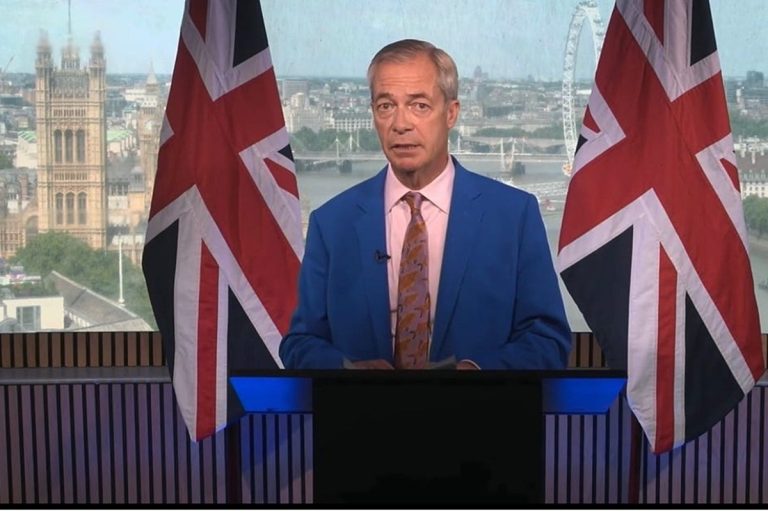
As geopolitical tensions in the Middle East send ripples through global energy markets and squeeze household budgets, Prime Minister Keir Starmer is doubling down on a domestic agenda centered on strengthening workers’ rights, framing it as a bulwark against economic insecurity.
“No matter the global uncertainty, my government will always be on the side of the British people in bearing down on the cost of living,” Starmer said on Easter Sunday.
He highlighted the rollout of key elements of the Employment Rights Act, described as the biggest upgrade to workers’ rights in a generation, alongside measures to support families, pensioners, and low-income households.
Conflicts involving Iran have raised fears of disruptions to the Strait of Hormuz, a critical chokepoint for oil shipments, potentially driving up fuel and energy prices at a moment when many British families are already feeling the pinch from elevated living costs.
Starmer’s government is coordinating with international partners to push for de-escalation and reopen shipping lanes, while implementing a five-point plan that includes an average £117 cut to household energy bills, extended fuel duty relief, and £53 million in support for those reliant on heating oil.
Yet the Prime Minister reiterated that long-term resilience starts at home.
“I know families across the country are concerned about the conflict in Iran and what it means for the cost of living,” he said, adding that the UK’s response to the current global situation “will define us for a generation.”
Day-one rights and protections kick in
Effective Monday (6 April), significant provisions of the Employment Rights Act come into force. Workers now gain day-one access to statutory sick pay and paternity/parental leave, removing previous qualifying periods that left new employees vulnerable.
Other elements include stronger protections for pregnant women, measures to tackle exploitative zero-hours contracts, and bans on “fire and rehire” practices in most cases.
The government had originally promised even bolder changes, including day-one protection against unfair dismissal, but made concessions, including a six-month qualifying period for unfair dismissal claims in some instances, following business lobbying and parliamentary negotiations.
Critics on the left called it a betrayal of manifesto pledges, while business groups welcomed the adjustments as necessary to avoid excessive burdens on employers.
Starmer has defended the package as a “pro-business, pro-worker” framework that will boost productivity, living standards, and dignity in work.
Supporters argue it addresses decades of insecure employment, gig economy precarity, and stagnant protections that predated the pandemic and recent inflationary shocks.
Accompanying the rights upgrades are broader cost-of-living measures announced alongside the statement:
- Scrapping the two-child benefit cap is projected to lift nearly 450,000 children out of poverty.
- A 4.8% increase in the basic and new State Pensions, benefiting over 12 million pensioners with up to £575 extra per year.
- Uprating of most working-age benefits by 3.8%, plus a 6.2% boost to the standard rate of Universal Credit, the first permanent above-inflation increase, worth around £265 more annually for a single person or £465 for a couple.
- Recent rises in the National Living Wage and National Minimum Wage.
These steps aim to put more money in people’s pockets while incentivising work and addressing ill-health-related economic inactivity.