‘Getting worse, not better’: M&S boss calls out gangs stripping store shelves in the UK
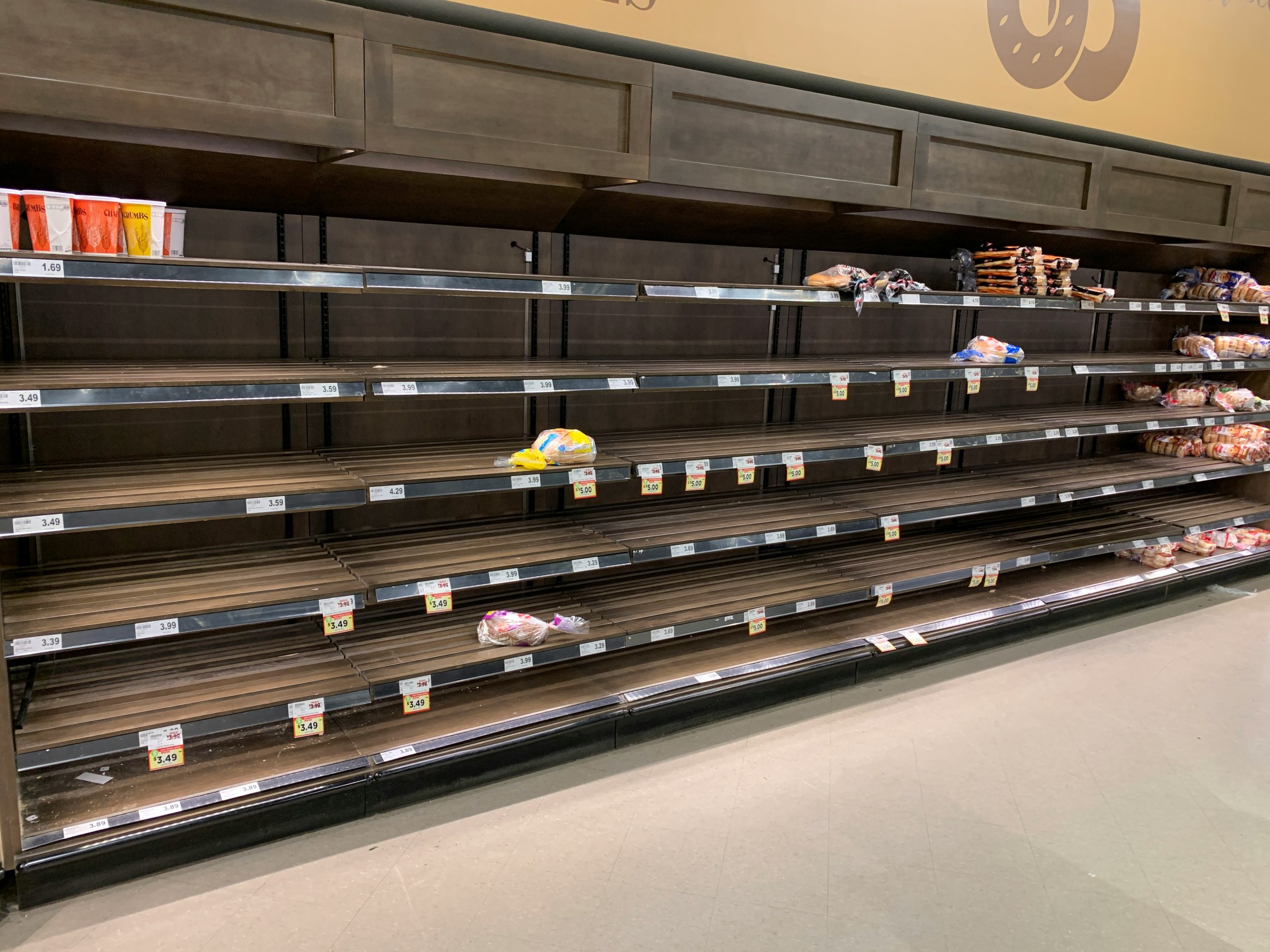

Marks & Spencer’s retail director has issued a warning about escalating retail crime, describing a surge in brazen, organised gang activity that is stripping shelves and putting staff at risk of violence.
In an opinion piece published in The Telegraph on Thursday (2 April), Thinus Keeve said incidents at M&S stores over the past week alone included gangs forcing open locked cabinets and clearing entire shelves, two men brazenly emptying steak displays and walking out, and a large group of young people ransacking a store before assaulting a security guard.
One colleague was headbutted while trying to defuse a situation; another was hospitalised after ammonia was thrown in their face.
“Retail crime has become more brazen, more organised and more aggressive,” Keeve wrote. “We need a stronger, faster, and more consistent police response, using tools that already exist to target repeat offenders and crime hotspots.” He added that the problem is “getting worse, not better” and staff face “abuse and violence in their workplace every day.”
M&S chief executive Stuart Machin has written directly to Home Secretary Shabana Mahmood calling for action, while Keeve has urged London Mayor Sadiq Khan to provide extra police support. Khan’s office confirmed the mayor will meet M&S soon and backed the Met Police’s targeted approach to prolific offenders.
A systemic and costly problem for UK retailers
The M&S executive’s plea for intervention comes as industry data shows retail theft remains a multi-hundred-million-pound drag on the sector despite some signs of stabilisation.
The British Retail Consortium’s latest crime report recorded 5.5 million detected incidents of shop theft in the 12 months to August 2025, costing retailers an estimated £400 million, though the true figure is believed to be significantly higher because many offences go unreported.
Organised criminal gangs are increasingly “systematically” targeting stores in succession, focusing on high-value, easily resold goods such as meat, alcohol, cosmetics, and medicines.
Office for National Statistics figures released in January showed police-recorded shop theft offences in England and Wales rose 5% to 519,381 in the year to September 2025. While some categories of violence and abuse against staff have fallen by around 20% thanks to heavier security investment, retailers still report an average of roughly 1,600 incidents a day.
The financial toll extends beyond stolen goods. Retailers have spent more than £5 billion on security measures over the past five years, including CCTV, body-worn cameras, and additional guards.
These costs ultimately feed into higher prices for shoppers and squeeze already thin margins. M&S, like many chains, has also faced separate operational headaches, including a major cyber attack last year that left some shelves empty, amplifying pressure on the business.
Government and police response
Crime and Policing Minister Sarah Jones described recent incidents as “disgraceful” and pointed to new powers in the forthcoming Crime and Policing Bill, including making assault on retail workers a specific offence and scrapping the £200 threshold that has effectively given low-level thieves immunity in many cases. “We’re giving police stronger powers, ending the immunity for thefts under £200 so that shoplifters can be prosecuted,” she said.
Some progress has been noted in convenience stores, where theft fell for the first time since 2022 after retailers ramped up prevention measures and police presence improved in certain areas.
However, Keeve and other retail leaders argue the response remains inconsistent, particularly in London hotspots. Recent disorder in Clapham, where several hundred young people, some fuelled by online trends, entered an M&S store amid anti-social behaviour, required around 100 officers to restore order. Six teenage girls were arrested and more are expected.