Why B&Q and Screwfix are growing even as Brits fall out of love with DIY
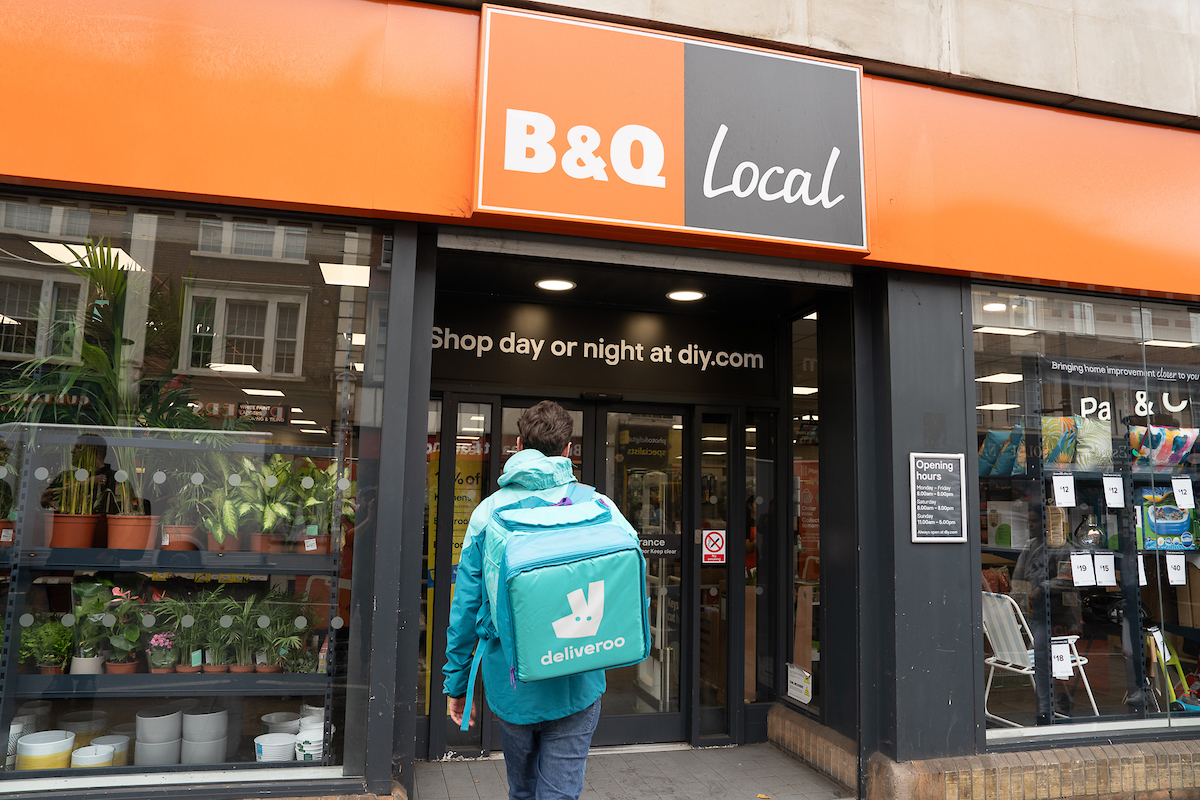

Kingfisher, the owner of B&Q and Screwfix, reported resilient full-year results for the period ended 31 January 2026, with the UK banners standing out amid a broader slowdown in consumer DIY enthusiasm.
While the traditional weekend warrior tackling home projects appears to be waning, the group’s strategic pivot toward professional tradespeople and digital convenience is paying dividends.
Group sales edged up 1.3% to £12.945 billion, with underlying like-for-like (LFL) sales rising 1.4% on a volume- and transaction-led basis.
Adjusted pre-tax profit (PBT) increased 6% to £560 million, while statutory PBT jumped 23% to £378 million.
The standout performers were in the UK: B&Q delivered +4% total sales growth, and Screwfix +4.5%, helping drive UK LFL sales up 3.3%.
A tale of two customers
Evidence suggests many Brits are cooling on DIY.
The days of enthusiastic self-taught renovations may be giving way to a preference for outsourcing or simpler fixes, especially as cost-of-living pressures linger and skills gaps widen.
Yet Kingfisher’s numbers tell a different story for its core UK operations. This is part of a deliberate shift away from relying solely on weekend DIYers toward professional trades. Group trade sales penetration rose to 30% of revenue, with trade sales excluding Screwfix surging 23%. Screwfix, already deriving around 75% of its sales from trade customers, continued its strong momentum with healthy demand across categories.
B&Q also benefited from market share gains, product innovation in big-ticket and seasonal items, favourable spring weather, and customer transference following the closure of rival Homebase stores.
Both banners expanded their digital offerings, with group e-commerce sales up 20% and penetration reaching 21%. Marketplace gross merchandise value (GMV) jumped 58% to £518 million.
“Our UK banners led the way, with sales +4% at B&Q and +4.5% at Screwfix. This reflects the growth of our digital ecosystem, increased share of wallet from trade customers and the opening of 34 new stores,” said Thierry Garnier, Kingfisher’s Chief Executive.
Margin magic and shareholder returns
Beyond top-line resilience, Kingfisher improved gross margin by 80 basis points to 38.1%, thanks to better sourcing, marketplace and retail media growth, AI-driven promotions, inventory discipline, and favourable mix effects. Retail profit rose 5.4% to £734 million, with a 5.7% margin.
The company generated £512 million in free cash flow, reduced net leverage to 1.4x, and completed a £300 million share buyback.
It announced a full-year dividend of 12.40p per share and a new £300 million buyback program for the year ahead. Adjusted earnings per share climbed nearly 15% to 23.8p.
Guidance for FY 26/27 points to adjusted PBT of £565 million to £625 million and free cash flow of £450 million to £510 million, signaling continued confidence despite mixed markets abroad.
A changing market
While pure consumer DIY demand may be softening, prompting questions about whether Brits are falling out of love with weekend projects, the professional trades segment and omnichannel convenience offer structural growth.
Screwfix’s model, with fast click-and-collect and delivery options, aligns perfectly with time-poor tradespeople.
B&Q’s marketplace expansion broadens choice dramatically, while dedicated trade zones and services deepen relationships with pros.
In an era where many consumers prefer calling a professional or buying ready-made solutions, B&Q and Screwfix are thriving by serving those who still get their hands dirty for a living