The £60 million tax bombshell quietly killing Wetherspoons
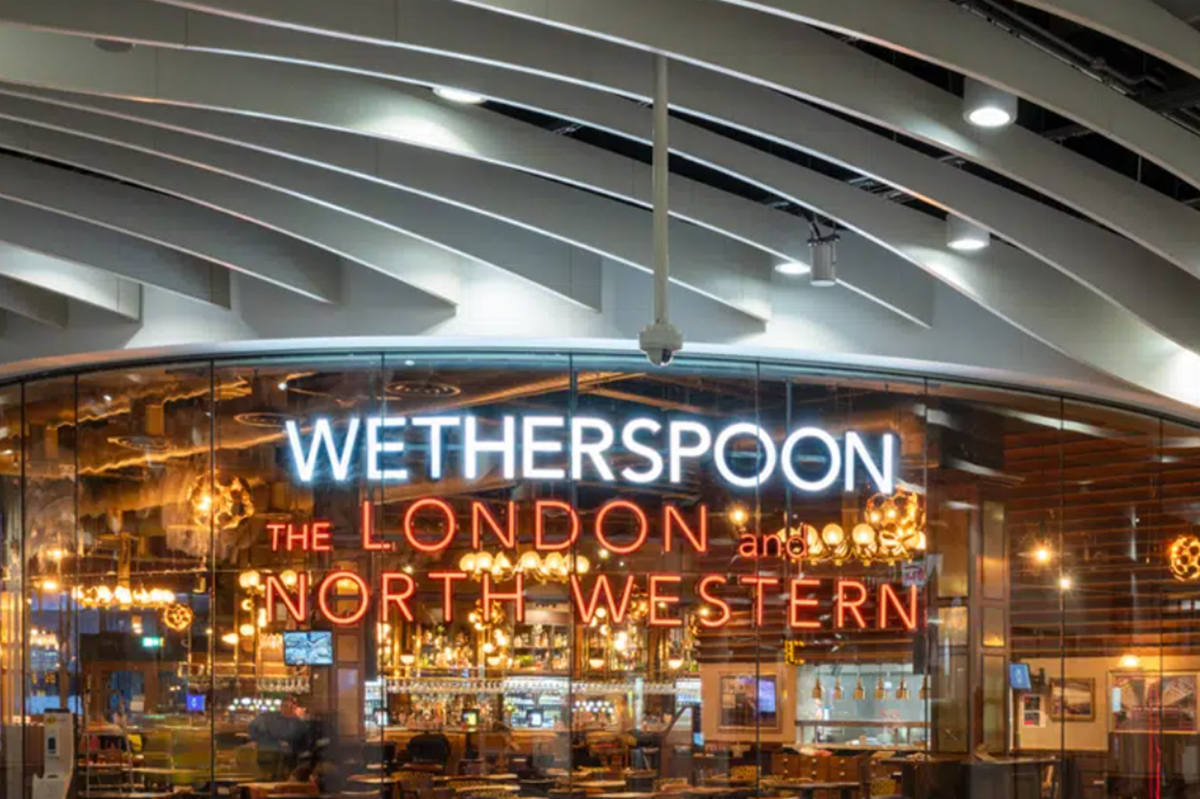

JD Wetherspoon, the no-frills pub giant known for its cheap pints and expansive menus, is staring down a major profitability crisis.
Despite delivering sales growth that has consistently outpaced the wider UK hospitality sector, the chain is being squeezed by a £60 million annual “tax bombshell” from higher national insurance costs and wage pressures – a hit that chairman Tim Martin warns could push full-year profits below market expectations.
In interim results for the 26 weeks ended 25 January 2026, Wetherspoon reported revenue up 5.7% to £1.088 billion.
Like-for-like sales rose a solid 4.8%, with the company continuing to outperform the industry (which saw negative growth in February). Sales per pub are now 35.4% higher than pre-pandemic levels, even as the estate sits at 794 pubs.
Yet the bottom line tells a different story. Profit before tax (before separately disclosed items) plunged 31.9% to £22.4 million from £32.9 million a year earlier.
Operating profit fell 18.4% to £52.9 million, with margins compressed sharply from 6.3% to around 4.86%. Basic earnings per share dropped 27.9% to 15.5p.
Shares in the FTSE 250 company tumbled more than 12% in early trading, reflecting investor disappointment.
The stealth tax raid
The culprit is a combination of policy-driven cost increases that Martin has described as adding to underlying inflation without much fanfare.
“As previously indicated, increases in national insurance and labour rates will result in cost increases of approximately £60 million per annum, and non-commodity energy costs will add £7 million,” the group said. The new Extended Producer Responsibility (EPR) tax on packaging will also cost £2.4 million this year – an increase of £1.6 million.
These rises primarily stem from the Labour government’s Budget changes to employer’s National Insurance Contributions, alongside minimum wage hikes.
Other costs piled on, too. Wages are up £28 million in the half, repairs £10 million higher, and business rates up £9 million.
“There is clearly considerable pressure on consumer finances, combined with higher taxes, wages and energy costs for the hospitality industry,” Martin said. “This may result in profits that are slightly below current market expectations.”
A tale of two taxes
The irony is not lost on Martin. The company, its staff, and customers collectively generated £438.4 million in taxes for the government in the first half alone – including £210.3 million in VAT, £86.9 million in alcohol duty, £84.1 million in PAYE and NIC, and £12.4 million in corporation tax.
Over the last 10.5 years, that total contribution has reached £6.8 billion, or more than £8 million per pub on average.
Yet the chain has long complained about the tax system favouring supermarkets, which pay a lower 0% VAT rate on many food and drink items sold for home consumption.
Martin has repeatedly called for VAT parity between pubs and supermarkets, arguing it would allow dramatic price cuts while boosting volumes, and ultimately government revenue.
The UK pub industry has been battered for years by energy spikes, cost-of-living pressures, lingering pandemic effects, and now this latest fiscal squeeze. Wetherspoon has proven more resilient than many thanks to its scale, value focus, and efficient model.
The group is maintaining its interim dividend at 4.0p per share, investing £45.3 million in capex, and planning to open around 15 new pubs while franchising 15-20 more. Year-end net debt guidance remains unchanged. Like-for-like sales have stayed positive into March.
But the margin for error is thin.
Free cash flow remained slightly negative, and the company is still working through elevated debt levels from the pandemic era.