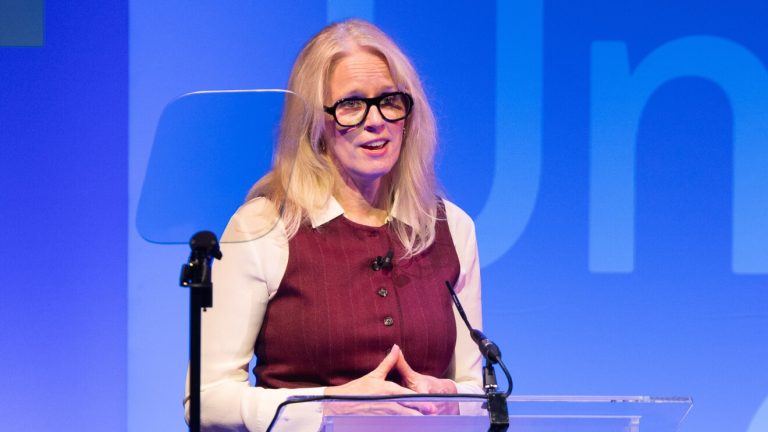
White men need to accept they’ll have a lower proportion of executive jobs, says UK diversity chair


The chair of a key UK initiative tracking ethnic diversity in corporate boardrooms has delivered a blunt message to white men who feel squeezed out of top executive roles. Demographic shifts in British society make it inevitable that they will hold a smaller share of those positions going forward.
David Tyler, Chair of The Parker Review, a government-backed effort launched in 2015 to boost ethnic minority representation on UK boards, told the Financial Times that complaints from white, middle-aged men about missing out on jobs due to diversity targets often stem from a need to “have a reason for not being hired.”
“It still remains that the great majority are white men in boardrooms,” Tyler said. But he added that white men “shouldn’t be surprised” to see their proportion of board seats decline, describing it as a “natural” outcome of broader societal changes.
“One in six of our population are from ethnic minorities and that is also set to increase gradually,” Tyler explained. “There are more women working than ever before and more ethnic minorities also reaching senior positions.”
Tyler’s comments accompany the release of The Parker Review’s latest annual update, which highlights record progress in ethnic diversity at Britain’s largest listed companies.
According to the report (covering data as of December 2025), ethnic minorities now hold 20% of all FTSE 100 board positions, up from around 12% in 2019, and 16% in the FTSE 250, marking historic highs.
Nearly all FTSE 100 companies (98 out of 100) have at least one ethnic minority director, the highest level since the review began.
The number of ethnic minority chief executives in the FTSE 100 reached a record 14 in 2025, including leaders at major firms such as Barclays, Shell, Unilever, HSBC, Prudential, and British American Tobacco. There were also eight ethnic minority chairs and nine chief finance officers in the index.
Senior management roles show slower but steady gains, with ethnic minorities representing an average of 11% in FTSE 100 UK-based senior positions, 10% in the FTSE 250, and 10% in large private companies. Companies have set voluntary targets to reach 15% in the FTSE 100 and 13% in the FTSE 250 and private sector by 2027.
The review notes that women make up around 40-42% of ethnic minority senior managers across these groups, suggesting the need for stronger pipelines to propel more into the very top jobs. No FTSE 100 company currently has a female ethnic minority CEO.
No to quotas
Tyler, who chairs consumer goods firm PZ Cussons and insurer Domestic & General (and formerly led Sainsbury’s and Hammerson), emphasised that he “strongly” opposes quotas for board diversity. “Candidates did not want them,” he said. “It is hard to persuade yourself you’re not just there because of a quota.”
Instead, he called for removing structural barriers, particularly for Black professionals, where progress has lagged compared to other ethnic minority groups.
The Parker Review’s targets remain voluntary, business-led efforts rather than mandated rules. Since its inception, the initiative has contributed to a dramatic shift: FTSE 100 boards went from minimal ethnic representation a decade ago to near-universal inclusion of at least one minority director.
The full Parker Review report underscores that while FTSE-listed firms lead the way, private companies trail, with only about half of the largest meeting basic representation goals. Black representation remains particularly low at board and senior levels, often below population proportions.