What Trump’s new 15% tariffs will mean for UK businesses
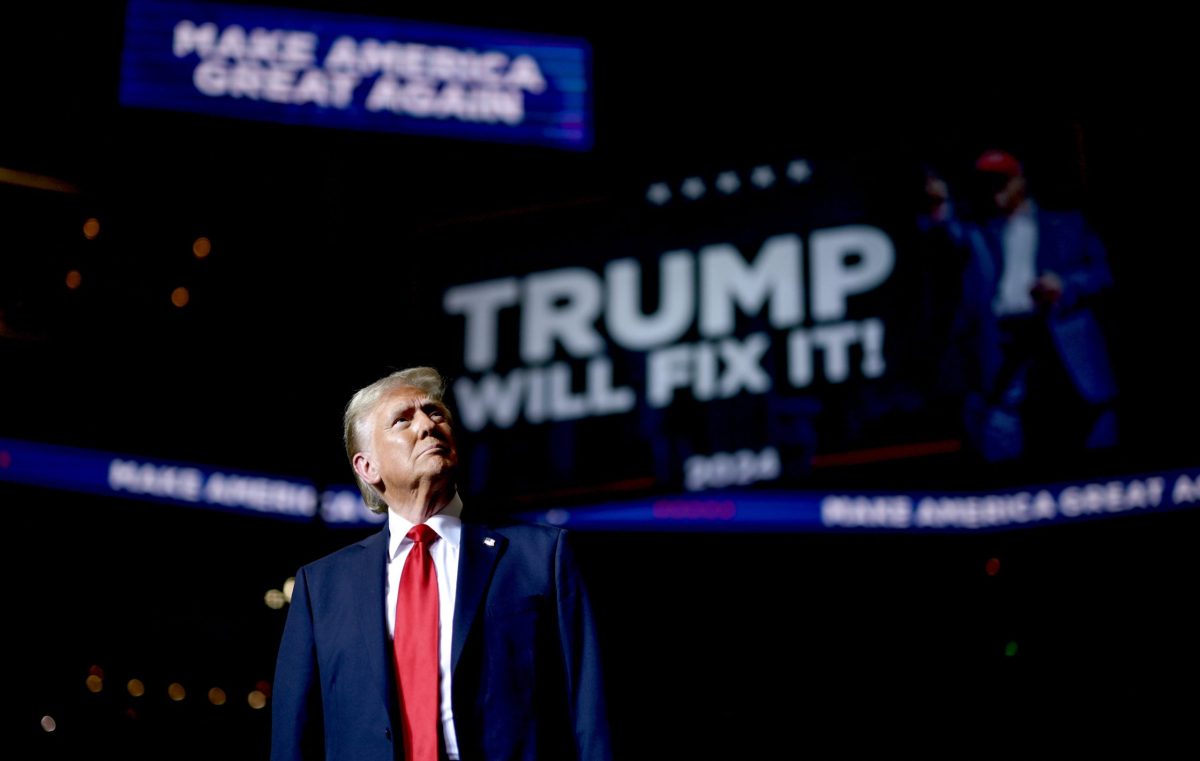

US President Donald Trump’s rapid escalation of global import tariffs, hiking them from 10% to 15% just days after a major Supreme Court setback, has dealt another blow to UK exporters, warns the British Chambers of Commerce (BCC).
The move, announced over the weekend and described as effective immediately under Section 122 of the 1974 Trade Act, overrides aspects of a prior US-UK trade agreement that had secured a preferential 10% rate for most British goods entering the US market.
While certain sectors like steel, aluminum, pharmaceuticals, and some automotive quotas remain protected or reduced under bilateral deals struck last year, the broader increase applies to a wide range of UK exports, raising costs and uncertainty for businesses already navigating post-Brexit trade challenges.
William Bain, Head of Trade Policy at the BCC, which represents a network of around 50,000 UK firms, called the hike ‘a further blow to business’.
“This will be bad for trade, bad for US consumers and businesses, and weaken global economic growth. Businesses on both sides of the Atlantic need a period of clarity and certainty. Higher tariffs are not the way to achieve that,” said Bain
Understanding the new tariffs
The tariff increase follows a Supreme Court ruling on Friday (20 February) that struck down many of Trump’s earlier broad tariffs imposed under the International Emergency Economic Powers Act (IEEPA), deeming them an overreach of executive authority.
In response, Trump pivoted to the temporary Section 122 authority, which allows duties of up to 15% for 150 days without congressional approval.
The initial 10% global levy was imposed on Friday, with the jump to 15% announced shortly after, a shift some analysts have described as particularly aimed at allies like the UK, which believed it had negotiated a more favorable position.
UK exports to the US totaled billions annually in recent years, with key sectors including machinery, vehicles, pharmaceuticals, and financial services-related goods.
The additional five percentage point increase on non-exempt items could add high costs for exporters, potentially squeezing profit margins, forcing price hikes for US customers, or prompting companies to seek alternative markets.
Smaller and medium-sized enterprises, which form a large part of the BCC’s membership, may feel the pinch most acutely, as they often lack the scale to absorb such shocks or quickly diversify supply chains.
Continued uncertainty
The development comes amid ongoing uncertainty in transatlantic trade. The UK was among the first nations to secure a partial tariff-reduction deal with the Trump administration in 2025, eliminating duties on steel and aluminum in some cases, reducing automotive tariffs for limited quotas, and agreeing to zero tariffs on medicines and medical products.
However, the new blanket 15% levy, which excludes certain Section 232 actions (like specific metals) and USMCA-compliant goods from Canada and Mexico, appears to supersede or layer on top of those arrangements for many categories.
Bain highlighted the need for continued negotiation. “For the UK, the priority remains bringing tariffs down wherever possible. It’s important the UK government continues to negotiate on issues like steel and aluminium tariffs and reduces the scope of other possible duties.”
Trade experts warn that the tariffs could fuel inflation in the US, reduce competitiveness for American importers reliant on UK goods, and risk retaliatory measures from trading partners, potentially escalating into broader economic headwinds.
For UK businesses, the immediate effect is heightened caution in investment and export planning, with calls for government support in the form of guidance, export financing, or accelerated trade diversification efforts.