UK price increases set to continue into the second half of 2025


Despite last night’s Mansion House speech and the desire to kickstart growth in the economy, the Labour government woke up this morning to headlines of inflation rising again.
The Consumer Price Index rose to 3.6% in June, up from 3.4% the previous month, and shows little sign of returning to the 2% target soon.
This ramps up pressure on the government to find some wins when it comes to economic growth and making the country feel like they are better off under this administration, says Lindsay James, Investment Strategist at Quilter.
“It seems we are now seeing the effects of the rise in employer national insurance contributions feeding through into prices, along with increased shipping costs hitting too,” she said.
“Groceries, for example, have been higher in June as a result of those increased costs and a poor harvest, the third consecutive rise. Other sectors, too, are also seeing an increase in prices as we hit the summer months.”
James noted that fuel prices aren’t falling as fast as they did last year, while clothing prices have also risen.
Ultimately, consumers are going to be feeling the pinch once again when it comes to the cost of living, she said.

No reprieve in sight
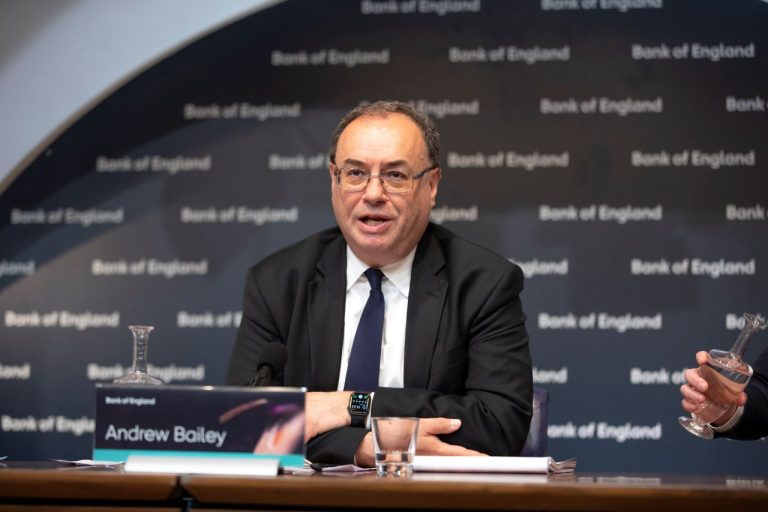
“It appears that these pressures are also going to continue into the second half of the year, making any significant rate cuts from the Bank of England difficult to envisage,” James said.
“That said, with the labour market slowing and economic growth proving especially elusive in recent months, it might just have no choice but to bite the bullet and cut rates sooner rather than later.”
James noted that US inflation has also begun to accelerate, potentially as a result of the tariff uncertainty that has come to dominate markets of late.
“The UK’s ‘trade deal’ with the US appears to have been anything but that, and any renegotiation is likely to impact prices further. While the geopolitical risks have subsided for now, the economic ones continue to blight.
“The challenge to get inflation back down and staying at 2% is looking increasingly fraught with danger,” she said.