Study shows YouTube watchers are more likely to feel lonely


While social media usage has long been tied to feelings of loneliness, anxiety, and even depression, new research shows that some apps are more closely tied to feeling isolated than others.
The study was published in Annals of the New York Academy of Sciences and is based on the findings of an international research team led by the University of Greenwich in collaboration with the Institute of Psychiatry, Psychology & Neuroscience (IoPPN) at King’s College London, Duke University, University of Oslo, and the University of California.
The researchers analysed data from a cohort of 1,632 young adults (aged 24–26) in the United Kingdom who had been followed prospectively since childhood for the Environmental Risk Longitudinal Twin Study – a large cohort study, now in its third decade, which was founded by researchers at the IoPPN.
Key findings – YouTube associated with loneliness
The researchers found that time spent watching TV, gaming, browsing the web and overall time online was linked with greater loneliness, but networking social media platforms such as Facebook, Instagram and Twitter (now known as X) were not.
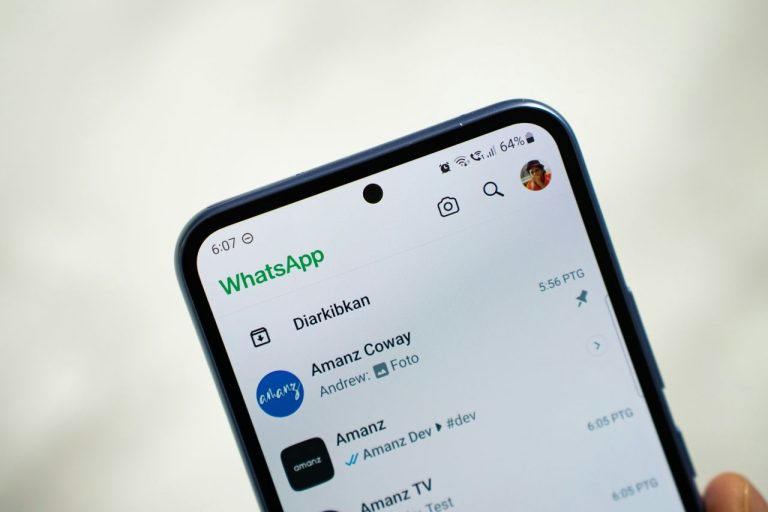
WhatsApp was uniquely found to be associated with lower levels of loneliness. However, social media sites that promote passive consumption such as YouTube and Reddit, as well as some dating apps, were linked with heightened loneliness.
The study noted that when regarding both time spent using a platform and how often it was used, only YouTube showed an association with elevated loneliness in those surveyed.
People with a prior history of depression and anxiety at age 18 were also more likely to report spending more time on YouTube.
These patterns between social media platforms and loneliness were the same before and during the Covid-19 pandemic.
The associations were present regardless of participants’ prior symptoms of depression and anxiety, suggesting these mental health conditions did not explain the links.
Links between social media and wellbeing are nuanced
Researchers also found that compulsive use of digital technology or experiences of online victimisation were linked with higher levels of loneliness. The findings suggest that it is the nature of digital technology experiences that are associated with loneliness, rather than technology as a whole.
“There has been ongoing debate about the effects of social media use on young people and how best to regulate it. Our study demonstrates that links between social media and young people’s wellbeing, specifically loneliness, are nuanced,” said Dr Timothy Matthews, Lecturer in Psychology at the University of Greenwich and first author of the study.
“Treating social media as a single entity obscures differences between the various types of platforms as well as variations in individuals’ digital habits and reasons for using these platforms.”
This was echoed by Professor Helen Fisher, Professor of Developmental Psychopathology at the IoPPN and ESRC Centre for Society and Mental Health and co-author of the study.
“It is unclear whether loneliness leads to increased digital media usage, or if using digital media leads to loneliness, however, our findings emphasise that digital technology can be a double-edged sword for already vulnerable young adults,” she said.
“Although we found that lonely individuals were more likely to spend time online seeking resources to support their mental and physical health, they were also more likely to report using digital technology in maladaptive and compulsive ways that interfered with their day-to-day life and thus could benefit from targeted interventions.”