Government completes sale of NatWest after 17 years – here’s why UK taxpayers dodged a bullet
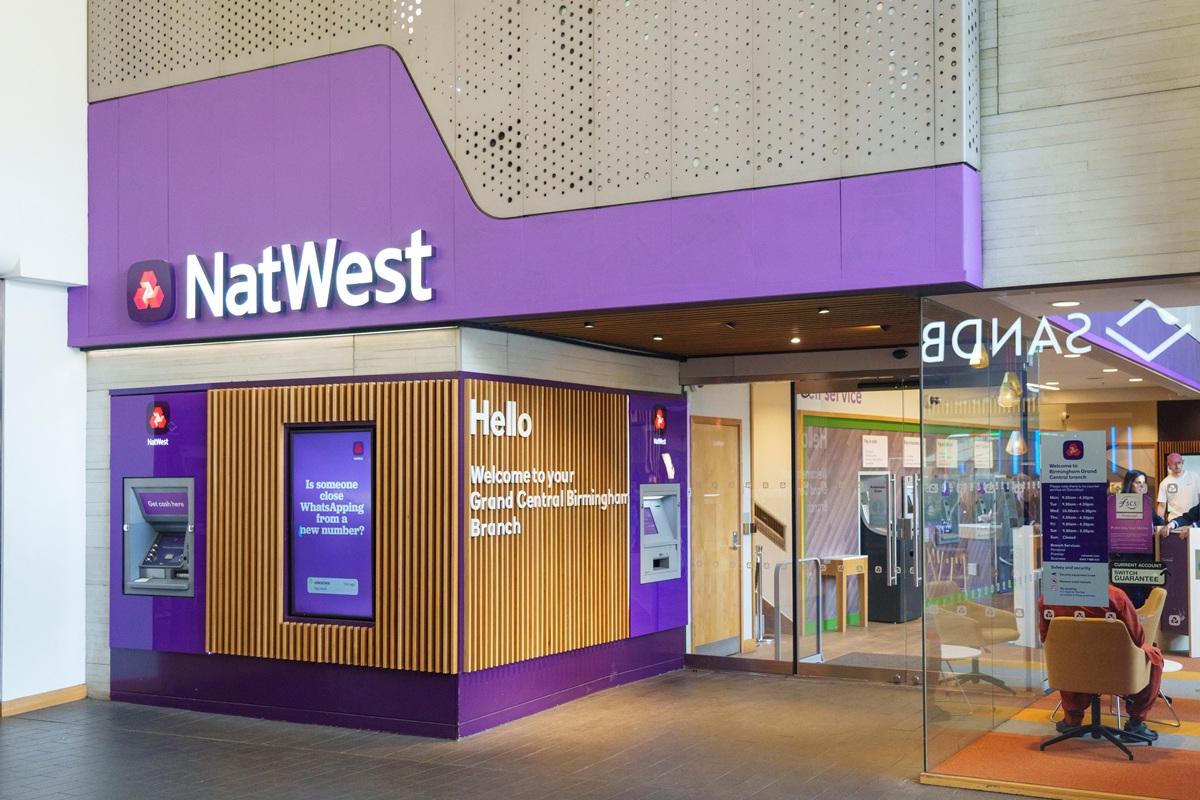

The government has sold its remaining shares in NatWest Group (formerly Royal Bank of Scotland, RBS), ending public ownership that began when it stepped in to protect millions of savers and businesses during the 2008 financial crisis.
The intervention prevented the UK economy and financial system from going over the edge, protecting millions of savers, businesses and jobs, the Treasury said.
Between 2008 and 2009, the government provided £45.5 billion to stabilise RBS (now NatWest), which at the time was one of the largest banks in the world, with over 40 million customers and operations in more than 50 countries.
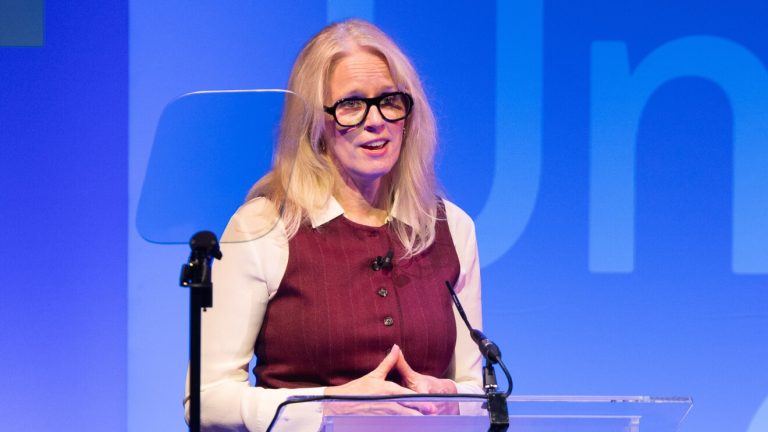
“Bringing NatWest fully back into private ownership marks a significant milestone for the UK banking sector following the financial crisis,” said Emma Reynolds (Economic Secretary to the Treasury).
“Since coming into government, we have halted the NatWest retail share sale, which could have cost taxpayers hundreds of millions. Instead, we put taxpayers first by only selling NatWest shares at market value, securing more money to invest in vital public services.”
To date, £35 billion has been returned to the Exchequer through share sales, dividends and fees. While this is around £10.5 billion less than the original support, the alternative would have been a collapse with far greater economic costs and social consequences, the Treasury said.
“The Office for Budget Responsibility are clear on this point: the cost of doing nothing would almost certainly have been far greater than the difference between the capital injected and proceeds returned.
“Allowing the bank to fail would have devastated people’s savings, mortgages and livelihoods, and shattered confidence in the UK’s financial system.”
It added that the government has prioritised securing value for taxpayers, scrapping plans for a retail sale that could have cost hundreds of millions of pounds due to the need to sell shares at a discounted price to attract retail buyers.
Instead, shares were sold only at market price and when it represented value for money, helping fund investments in the NHS, education and defence.
The government has now exited all banking sector interventions made during the financial crisis, Treasury said.
The key numbers
Here are the key numbers from the sale over the last 17 years:
- The peak government stake in RBS was 84.4%.
- Shares were sold through three accelerated bookbuilds in 2015 (£2.1 billion), 2018 (£2.5 billion), 2021 (£1.1 billion), five directed buybacks of shares by NatWest in March 2021 (£1.1 billion), March 2022 (£1.2 billion), May 2023 (£1.3 billion), May 2024 (£1.2 billion), and November 2024 (£1 billion), and a trading plan from 2021–2025.
- The final shares were sold through the trading plan on 30 May 2025. In total, the trading plan generated over £13.2bn in proceeds from sales of NatWest shares.
- A retail sale, proposed under the previous government, was cancelled in 2024 due to the additional costs to taxpayers, estimated in the hundreds of millions.