Price hike warning for the UK

The government will need to do more to reduce the cost of doing business in the UK, which was partly responsible for the latest spike in inflation, says the British Retail Consortium.
“Headline inflation accelerated in April as additional costs from rising National Living Wage and Employers’ NI costs filtered through to prices faced by consumers, as well as rising costs of utilities (energy, water and broadband),” said Kris Hamer (Director of Insight at the British Retail Consortium).
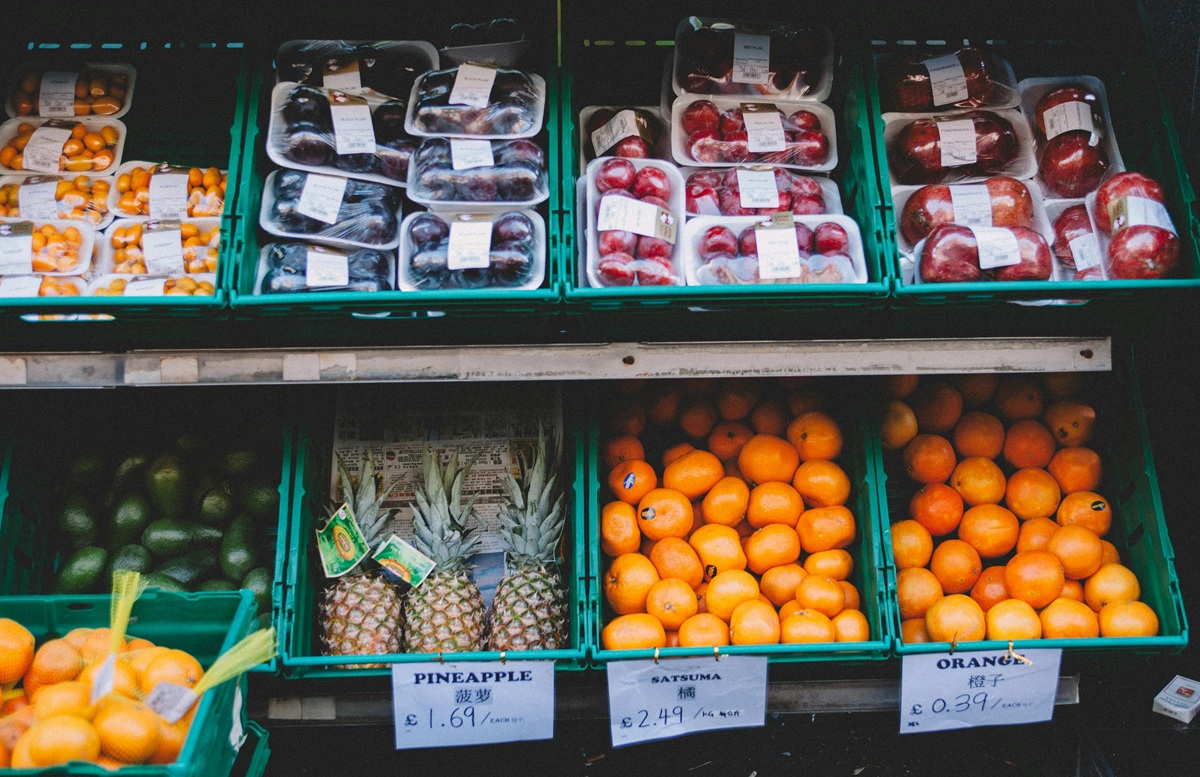
He noted that the jump in labour costs pushed up food inflation, which climbed above 3%.
“However, there was some good news for furniture and clothing shoppers as prices fell year on year, with retailers offering good promotions on summer apparel and electricals. Even with food prices rising overall, there were still deals to be had, with prices of dairy products such as milk, cheese and eggs falling on the month,” he said.
“Rising inflation was inevitable following the wave of additional costs hitting employers, and particularly retailers who employ over three million people across the country. For months, retailers have been warning that rising costs would lead to higher prices.”
To mitigate this, the government must now find ways to help reduce business costs and regulatory burden, he said.
“It is imperative that its Employment Rights Bill targets unscrupulous employers and avoids burdening responsible businesses with additional costs, which could put retail job numbers into reverse.”
The UK inflation rate rose to 3.5% in April, following a rise in household bills last month, the Office for National Statistics said on Wednesday, 21 May.
On a monthly basis, CPI rose by 1.2% in April 2025, compared with a rise of 0.3% in April 2024, the statistics body said. The Consumer Prices Index including owner occupiers’ housing costs (CPIH) rose by 4.1% in the 12 months to April 2025, up from 3.4% in the 12 months to March.
It added that the biggest upward contributions to the increase came from housing and household services, transport, and recreation and culture. By comparison, the largest, partially offsetting, downward contribution came from clothing and footwear.
The increase means that the pace of inflation is at its highest since February last year. The Bank of England has previously indicated that it expects inflation to rise to around 3.7% between July and September 2025 before dropping back to its 2% target later in the year.